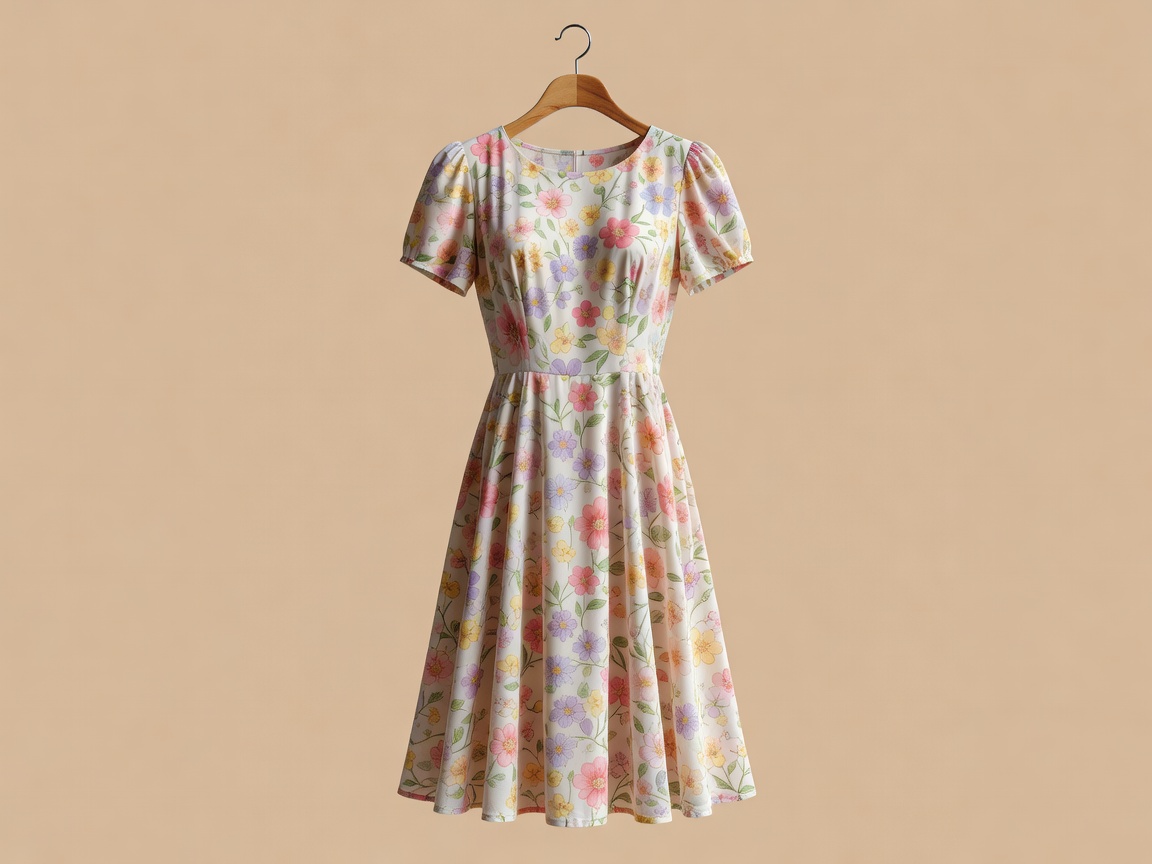
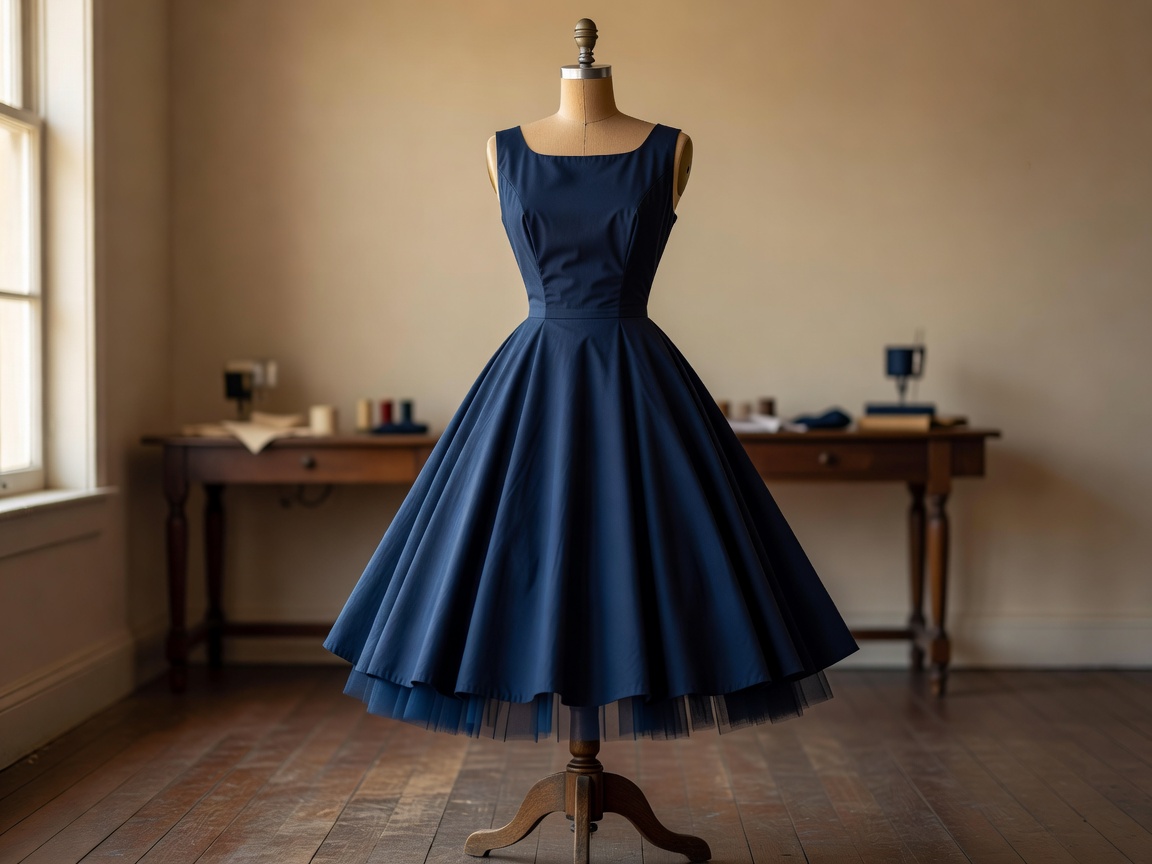
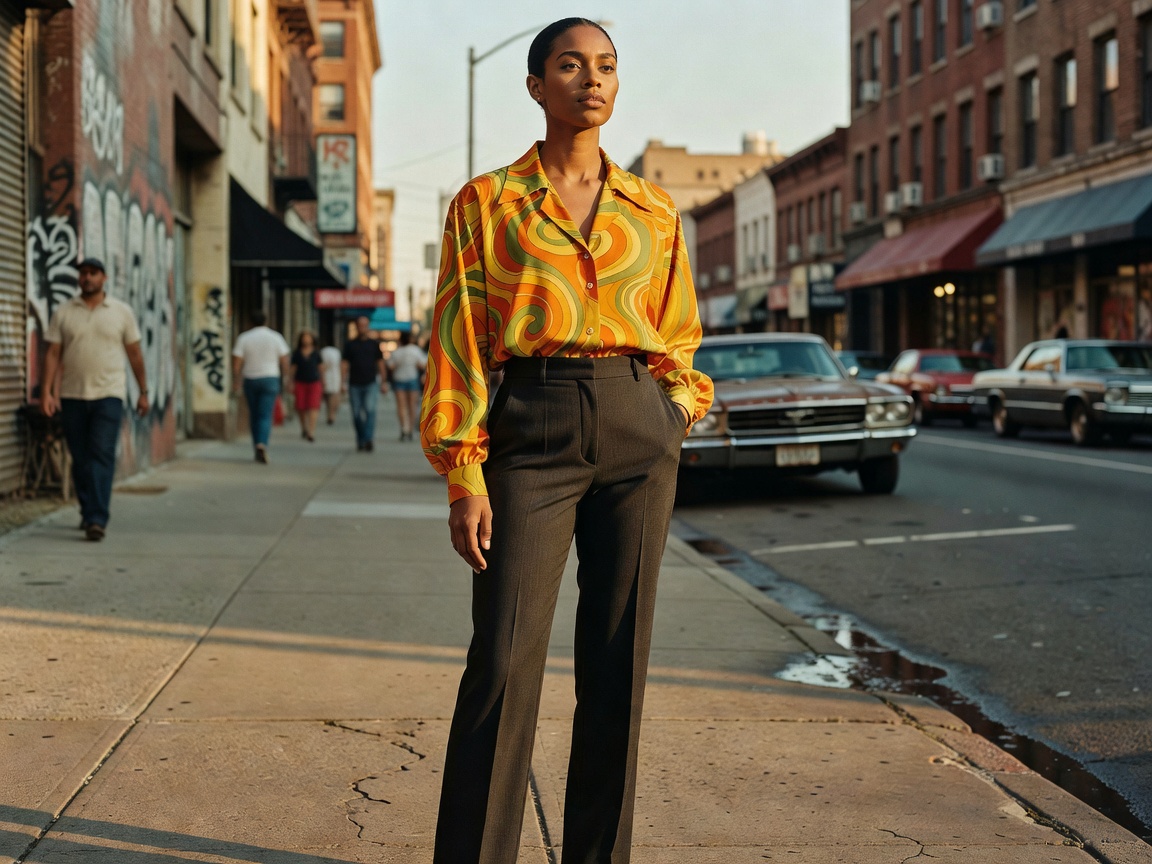
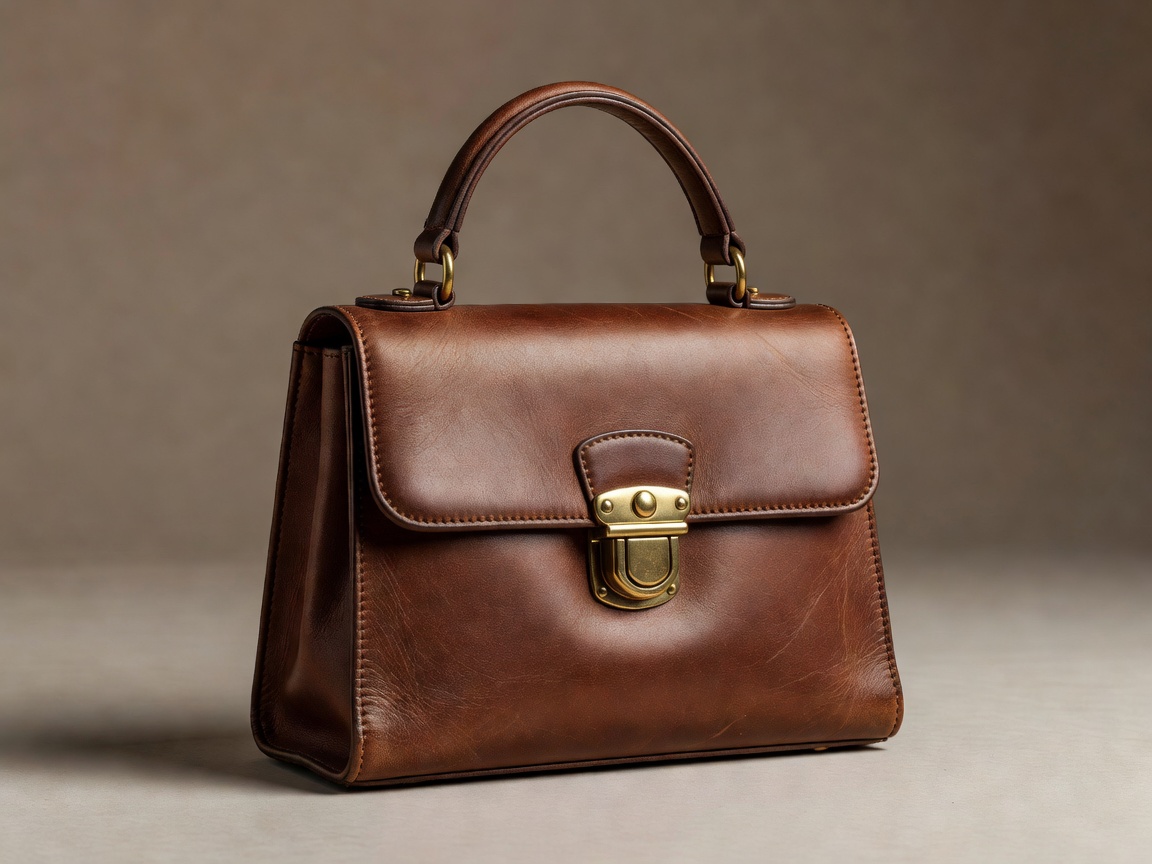
Fit comes before era
Older garments were cut for different undergarments and different ideas of ease. A 1950s dress may assume a structured bra and a defined waist; a 1930s bias gown assumes a smooth line underneath; a 1980s jacket assumes shoulder pads. Try pieces with the foundation they expect, then decide whether to adapt. Numerical sizes are unreliable across decades, so carry a tape measure and compare bust, waist, hip and shoulder width against a garment you already own that fits.
Alter with restraint
Tailors can take in seams, adjust hems and replace failed zippers. Before altering, ask whether the piece is ordinary or significant. A mass-produced 1970s dress is a fair candidate for shortening. A labelled couture piece, a rare Utility garment or anything with documented provenance is better left intact, because alterations remove evidence and usually reduce historical value. Reversible changes, such as basting a hem rather than cutting it, are the curator's compromise.
Fabric weight and modern life
Many older fabrics were made for different routines. Fine silks and early rayons do not enjoy bike commutes or tumble dryers. Wear delicate originals for occasions and lean on sturdier pieces, such as wool coats, denim, or reproductions, for daily use. That is also where reproductions earn their place: they let you wear a 1940s shape on a rainy Monday without risking a fragile original.
Where people look for pieces
Markets such as Portobello Road in London and the Rose Bowl Flea Market in Pasadena are long-standing sources; charity shops and specialist dealers are others. Wherever you buy, ask the seller how they dated the piece. A good dealer will name evidence, such as a label, a zipper or a fabric, rather than simply stating a decade.
Shopping vocabulary to watch
- "Vintage" with no date or evidence: ask for details.
- "Vintage style" or "retro inspired": normally a new garment.
- "Deadstock": unworn old stock; still check the fabric's condition.
- "Designer" with no label shown: request a photo of the label and its stitching.
Wear it, then care for it
The way you wear a piece affects how long it lasts. Perfume, deodorant and body oils stain older fibres; heavy bags rub shoulder seams; sitting on a long silk skirt stresses the waist. Use a slip or dress shield where the original wearer would have, and let pieces rest between wears. Our preservation guide explains the next steps.